16347 W. 159th Street Lockport, IL 60441
Professional Dental Cleaning in Lockport, IL

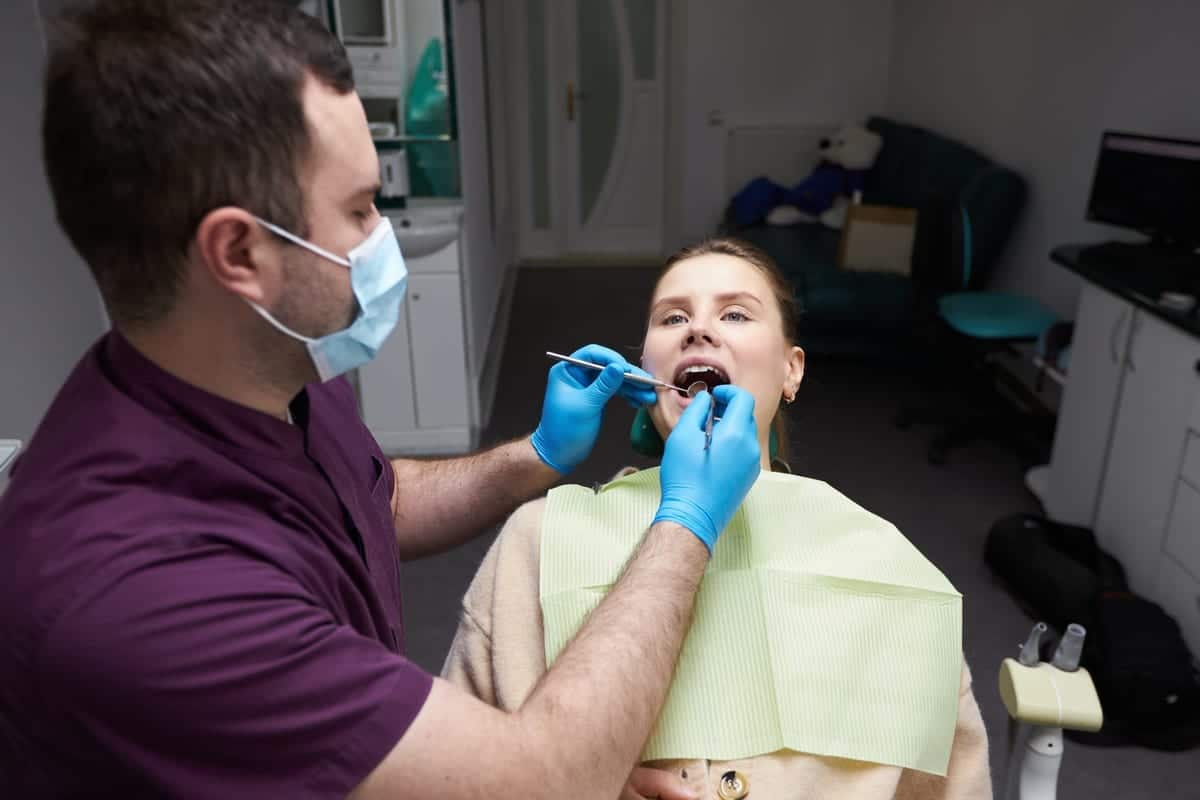
Many patients in Fairmont wonder exactly what happens during a professional dental cleaning. Understanding each tool and step helps reduce anxiety and builds confidence in your care. This guide walks you through the full appointment — from the first instrument to the final polish. Knowing what each tool actually does makes your next visit feel familiar and purposeful.
At Peak Dentistry, our dental team believes informed patients make better decisions about their oral health. A professional cleaning is far more than a quick brush and rinse. It is a structured, clinical process designed to protect your teeth and gums for years to come.
Step One: The Dental Exam and What the Hygienist Looks For
Every professional cleaning begins with a thorough visual exam. Your hygienist checks each tooth and the surrounding gum tissue carefully. They look for signs of decay, inflammation, recession, and abnormal tissue changes. This baseline assessment guides the entire cleaning that follows.
Your hygienist also examines your bite alignment and jaw movement. They note any crowding, spacing issues, or wear patterns on enamel. These observations help our dental team spot early problems before they escalate. Early detection is one of the most powerful benefits of routine checkups.
X-rays may be taken during this phase as well. Digital X-rays allow us to see bone levels, root health, and cavities hidden between teeth. Patients in Fairmont benefit from this technology because it catches issues invisible to the naked eye.
Inside Your Professional Cleaning: What Each Tool Actually Does in Fairmont
Once the exam is complete, your hygienist begins the hands-on cleaning process. Each instrument serves a specific, targeted purpose. Understanding these tools removes the mystery from the sounds and sensations you experience.
Here is a breakdown of the primary instruments used during your cleaning:
- Mouth mirror: Reflects hard-to-see areas and directs light into the back of your mouth.
- Dental scaler: Removes hardened tartar deposits from tooth surfaces above the gumline.
- Ultrasonic scaler: Uses gentle vibrations and water to break apart stubborn calculus buildup.
- Curette: A curved tool used to clean below the gumline and smooth root surfaces.
- Prophy cup and paste: A rotating rubber cup with gritty paste that polishes enamel and removes surface stains.
- Dental floss: Removes debris and plaque from tight spaces between teeth.
Each tool builds on the previous step. Scalers remove hard deposits first. Polish then smooths the enamel surface. Floss clears any remaining particles from contact points.
The ultrasonic scaler deserves special mention. It combines sound wave vibrations with a water spray to loosen calculus efficiently. Most patients find it less uncomfortable than manual scaling alone. The water also flushes debris away as the hygienist works.
What Happens Below the Gumline During a Cleaning
Subgingival cleaning — below the gumline — is a critical part of every appointment. Plaque and tartar accumulate in the small pocket between your tooth and gum tissue. If left untreated, this buildup triggers inflammation and eventually periodontal disease.
The curette slides gently into this pocket to remove deposits. Your hygienist then smooths the root surface in a process called root planing. A smooth surface makes it harder for bacteria to reattach. This step directly supports your long-term gum health.
Our dental team pays close attention to pocket depth measurements during this phase. Healthy pockets measure between one and three millimeters. Deeper pockets signal early or progressing gum disease. Patients with deeper pockets may benefit from our Advanced Periodontal Services for more targeted treatment.
Consistent professional cleanings keep pocket depths from increasing over time. Prevention here is far simpler than advanced treatment later. Showing up twice a year truly makes a measurable difference.
The Polish, Fluoride, and Why They Matter
After scaling, your hygienist polishes your teeth with a motorized prophy cup and abrasive paste. This step removes surface stains from coffee, tea, and food. It also leaves enamel surfaces smoother, which slows plaque reattachment between visits.
Polishing paste comes in several grits and flavors. Your hygienist selects the appropriate type based on your enamel condition. Sensitive teeth may require a gentler, low-abrasion formula. The process takes only a few minutes but delivers a noticeably cleaner feel.
Many cleanings conclude with a fluoride treatment. Fluoride is applied as a gel, foam, or varnish directly to your teeth. It strengthens enamel and reduces the risk of cavities. Children and adults with higher cavity risk benefit most from this final protective step.
Here is why these final steps matter so much:
- Polishing removes extrinsic stains that regular brushing cannot eliminate.
- Smooth enamel surfaces resist plaque more effectively after cleaning.
- Fluoride varnish creates a protective mineral layer over vulnerable enamel.
- Completing all steps gives your teeth the best defense until your next appointment.
How Often Should Fairmont Patients Schedule a Professional Cleaning?
Most patients benefit from a professional cleaning every six months. This interval allows our dental team to catch new buildup before it becomes difficult to remove. It also gives your hygienist regular opportunities to track gum health over time.
Some patients need more frequent visits. Those with active gum disease, a history of heavy tartar buildup, or certain health conditions may come in every three to four months. Your hygienist will recommend a schedule based on your specific clinical picture.
Skipping appointments allows tartar to accumulate unchecked. Hardened calculus cannot be removed with a toothbrush at home. Only professional instruments can safely break it down without damaging enamel. Regular visits keep this process manageable and comfortable.
Peak Dentistry serves patients in Fairmont and the surrounding Lockport, IL area with comprehensive General Dentistry care. Whether you need a routine checkup or are exploring options like Dental Implants or Dentures And Implant Dentures, our team is here to guide you. We provide personalized care that fits your individual needs and oral health goals.
Conclusion: Your Cleaning Is an Investment in Your Long-Term Health
A professional cleaning is one of the most impactful things you can do for your oral health. Each tool your hygienist uses serves a precise purpose. Together, they remove harmful deposits, smooth enamel, and protect your gums from disease. Understanding the process makes it easier to stay consistent with your appointments.
Patients in Fairmont who prioritize regular cleanings experience fewer cavities and healthier gums over time. The connection between oral health and overall wellness is well established. Protecting your smile today reduces the need for more complex treatment later. Book Now to schedule your appointment with our team.
Frequently Asked Questions
How long does a professional dental cleaning take?
Most professional cleanings take between 45 minutes and one hour. The exact time depends on how much tartar has accumulated and whether X-rays are taken. Patients with heavier buildup or gum issues may require a longer appointment. Your hygienist will let you know if additional time is needed.
Is a professional cleaning painful?
Most patients experience little to no discomfort during a routine cleaning. Some sensitivity is normal around areas of gum inflammation or tartar buildup. Your hygienist can adjust their technique or use a gentler approach if you feel uncomfortable. Numbing gel is also available for patients with heightened sensitivity.
What is the difference between a regular cleaning and a deep cleaning?
A regular cleaning focuses on tooth surfaces above and just below the gumline. A deep cleaning, also called scaling and root planing, treats more significant buildup deeper in the gum pocket. Deep cleanings are recommended when gum disease is present or pocket depths are elevated. Your hygienist will recommend the appropriate type based on your exam findings.
Can I eat after a professional cleaning?
If fluoride varnish was applied, your hygienist may ask you to wait 30 minutes before eating or drinking. This allows the fluoride to fully absorb into the enamel. After that brief window, you can eat and drink normally. Avoiding staining foods and beverages for a few hours after polishing helps preserve results.
Why do my teeth feel different after a cleaning?
The smooth, clean feeling after a cleaning comes from the removal of tartar and the polishing step. Tartar creates a rough surface that traps more plaque over time. Once removed and polished, your teeth feel slick and clean. That sensation is a sign that the cleaning was thorough and effective.
Related Articles