16347 W. 159th Street Lockport, IL 60441

Why Your Whitening Results Fade Fast (And How to Make Them Last)


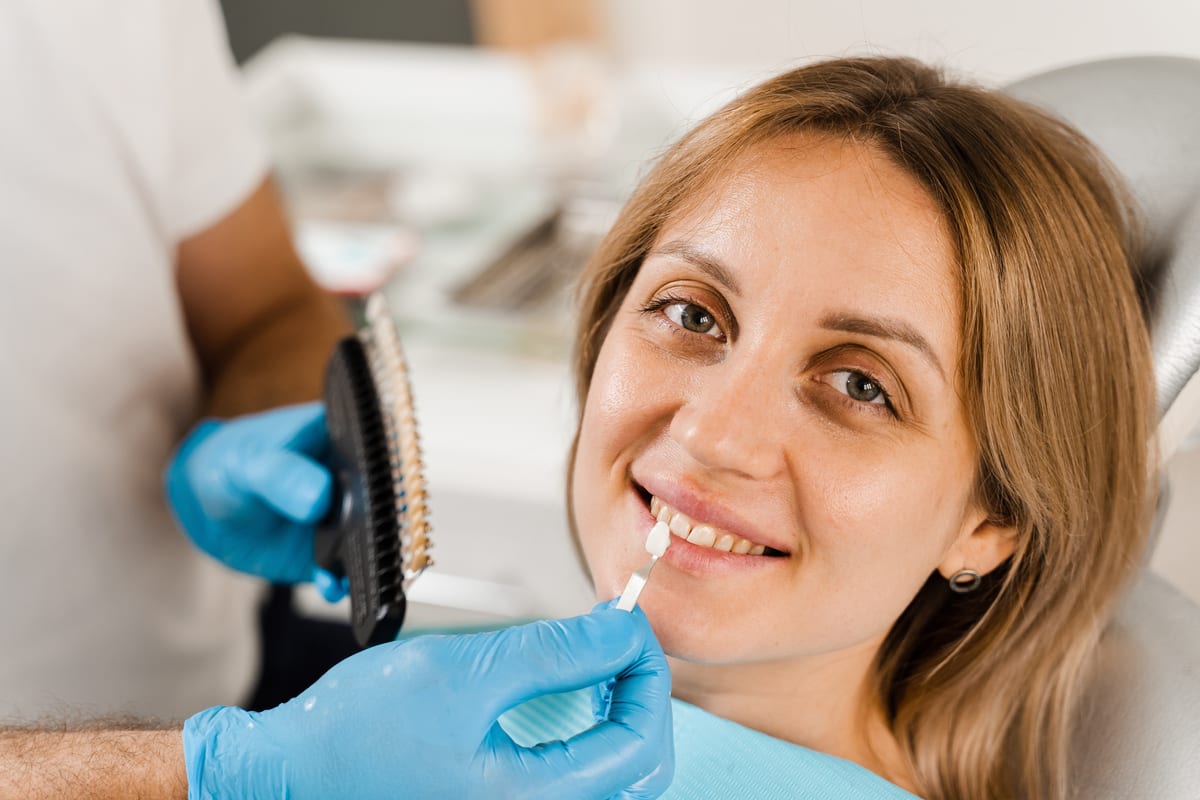
Many Lockport patients invest in teeth whitening and love their results — at first. Then, a few weeks later, the brightness starts to fade. Understanding why your whitening results fade fast, and how to make them last in Lockport, is the key to protecting that investment. The good news is that with the right habits, you can extend your results significantly.
How Long Do Whitening Results Actually Last?
Professional teeth whitening typically lasts between six months and two years. That is a wide range — and the difference comes down almost entirely to your daily habits. At-home whitening strips usually fade faster, often within one to three months.
The porous nature of tooth enamel makes it vulnerable to restaining. Once whitening agents open those pores to lift stains, those same pores are temporarily more receptive to new pigment. What you eat and drink right after treatment matters enormously.
Our dental team at Peak Dentistry sees this pattern consistently. Patients who follow post-whitening care instructions maintain their results far longer than those who return to old habits immediately. The first 48 hours after treatment are especially critical.
The Habits That Shorten Your Whitening Results in Lockport
Certain everyday habits are the biggest culprits behind fading whiteness. Knowing them helps you make smarter choices without giving everything up entirely.
Here are the most common habits that accelerate staining:
- Coffee and tea: Both contain tannins that bind to enamel and deposit dark pigments quickly.
- Red wine: Deeply pigmented and acidic, red wine is one of the fastest stainers after whitening treatment.
- Smoking or tobacco use: Nicotine and tar penetrate enamel deeply, causing yellow and brown discoloration that is hard to reverse.
- Dark sodas and sports drinks: The combination of acid and artificial color rapidly erodes and restains whitened enamel.
- Soy sauce, tomato sauce, and berries: Intensely pigmented foods transfer color to teeth quickly, especially post-treatment.
You do not need to eliminate all of these permanently. However, avoiding them for at least 48 hours after whitening is strongly recommended. After that window, moderation and smart habits make a real difference.
Practical Tips to Make Your Whitening Results Last Longer
Extending your whitening results does not require a dramatic lifestyle overhaul. Small, consistent habits add up to a much longer-lasting smile.
Try these proven maintenance strategies:
- Use a straw: Drinking coffee, tea, or dark beverages through a straw reduces direct contact with your teeth.
- Rinse after eating: Swishing water after staining foods or drinks dilutes pigments before they set.
- Brush twice daily: Use a whitening toothpaste with mild abrasives to gently polish surface stains away.
- Floss daily: Flossing removes pigment-trapping plaque from between teeth where staining is common.
- Schedule regular cleanings: Professional cleanings remove surface stains and tartar buildup that dulls whiteness over time.
- Use touch-up treatments: Ask your dentist about at-home whitening trays for periodic maintenance between appointments.
Consistency matters more than intensity. Patients who build these small steps into daily routines consistently outperform those who try occasional intensive treatments without daily upkeep.
Why Professional Whitening Lasts Longer Than Store-Bought Options
Over-the-counter whitening strips use lower concentrations of whitening agents. They work, but the results are less dramatic and fade faster. Professional whitening uses stronger, customized formulas that penetrate enamel more effectively.
At Peak Dentistry, our dental team tailors whitening treatment to each patient’s needs. Custom-fitted trays ensure even coverage and reduce sensitivity. This precision leads to more uniform results that hold up longer under real-world conditions.
Professional whitening also comes with expert guidance. Your dentist identifies factors like existing dental restorations, enamel sensitivity, or gum health that affect how whitening works for you. Store-bought products cannot account for these individual variables.
For families managing multiple smiles at once, connecting whitening care to a broader dental routine is practical. Family Dental Care Lockport services at Peak Dentistry help coordinate care across all ages, making it easier to maintain healthy, bright smiles for everyone.
When to Consider Other Restorative Options
Sometimes whitening alone does not deliver the results patients want. Deep intrinsic stains — caused by certain medications, trauma, or aging — do not respond well to bleaching agents. In those cases, other solutions may be more effective.
Dental crowns or veneers can cover persistent discoloration while restoring tooth structure. These options also resist staining better than natural enamel over time. Your dentist will discuss whether whitening or a restorative approach better fits your smile goals.
For patients who have experienced tooth loss, maintaining surrounding teeth aesthetically becomes part of a larger plan. Dental Implants Lockport are crafted to match the shade of your natural teeth, so your overall smile stays cohesive and bright.
Combining whitening with restorative care often produces the most natural, lasting aesthetic outcomes. Our team helps patients understand all available options before making decisions.
Building a Long-Term Whitening Maintenance Plan
The most effective approach treats whitening as an ongoing process, not a one-time event. Setting realistic expectations from the start prevents disappointment and helps you stay consistent.
Most patients benefit from a touch-up whitening session every six to twelve months. Pairing this with biannual professional cleanings keeps surface stains from accumulating between treatments. Your dentist can help you build a schedule that fits your lifestyle.
Lockport residents who commit to a consistent maintenance plan regularly report brighter smiles for much longer periods. Small investments of time and habit paid out over years of confident smiling. Our dental team is ready to build that plan with you.
Ready to protect your whitening results and keep your smile looking its best? Book Now to schedule your appointment with our team.
Frequently Asked Questions
How long does professional teeth whitening last?
Professional teeth whitening typically lasts between six months and two years. Results vary depending on your diet, oral hygiene habits, and whether you use maintenance treatments. Patients who avoid heavy staining foods and follow a consistent care routine enjoy longer-lasting brightness.
Why do my whitening results fade so quickly after treatment?
Whitening agents temporarily open enamel pores to lift stains. This makes teeth more receptive to new pigments immediately after treatment. Consuming coffee, wine, or tobacco in the first 48 hours dramatically speeds up restaining and shortens overall results.
Can I drink coffee after getting my teeth whitened?
It is best to avoid coffee for at least 48 hours after whitening treatment. After that window, drinking through a straw and rinsing with water afterward can reduce staining. Moderation and good daily habits help preserve your results over time.
Does whitening toothpaste help maintain results?
Whitening toothpastes with mild abrasives can help remove surface stains and slow down fading between treatments. They are not as effective as professional whitening but serve as a useful daily maintenance tool. Ask your dentist which formula is appropriate for your enamel sensitivity level.
How often should I schedule touch-up whitening treatments?
Most patients benefit from touch-up treatments every six to twelve months, depending on their lifestyle and staining habits. Your dentist can recommend a schedule based on your specific needs. Combining touch-ups with regular professional cleanings produces the most consistent long-term results.