16347 W. 159th Street Lockport, IL 60441

Is Your Tooth Pain a True Emergency or Can It Wait

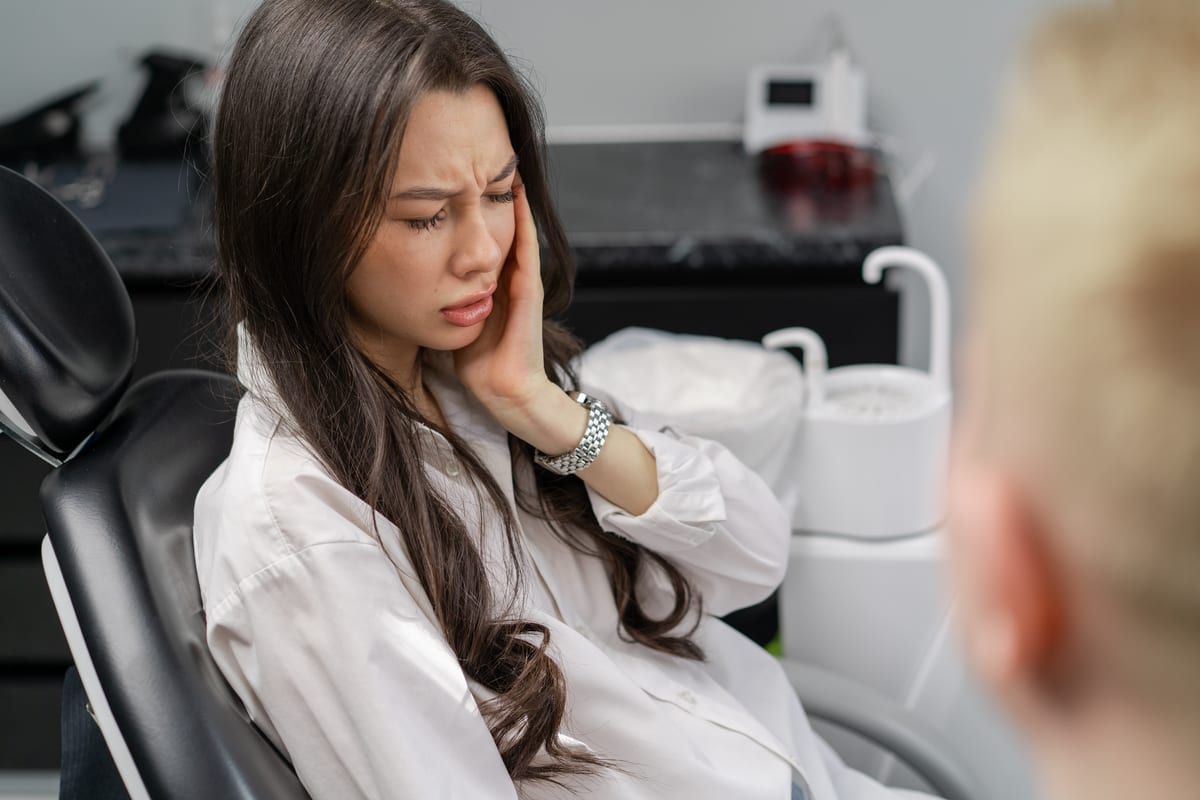
Tooth pain can strike without warning. One moment you are fine, and the next you are wondering whether to call a dentist immediately or wait it out. If you are asking yourself, is your tooth pain a true emergency or can it wait in Lockport, you are not alone. Many patients face this exact dilemma. Understanding the difference can protect your oral health and help you make the right call fast.
At Peak Dentistry, our dental team sees patients at all stages of tooth pain. Some situations demand same-day attention. Others can safely wait a few days for a scheduled visit. Knowing which is which gives you confidence and peace of mind.
Common Causes of Severe Tooth Pain in Lockport Patients
Tooth pain has many possible sources. Identifying the cause helps you decide how urgently you need care. Some causes are minor. Others signal a serious problem that worsens quickly without treatment.
Here are the most common causes our dental team encounters:
- Tooth decay or cavities — bacteria erode enamel and reach sensitive inner layers
- Cracked or fractured tooth — often caused by biting hard foods or grinding teeth
- Dental abscess — a bacterial infection that forms a pocket of pus near the tooth root
- Gum disease — advanced infection that affects the tissue and bone supporting your teeth
- Impacted wisdom teeth — partially erupted teeth that press on neighboring teeth
- Exposed tooth root — recession exposes sensitive root surfaces to temperature and pressure
Each of these causes produces different levels of pain. Some produce dull, manageable discomfort. Others produce throbbing, relentless pain that signals an active emergency.
Signs Your Tooth Pain Is a True Dental Emergency
Certain symptoms tell you that waiting is not safe. A dental emergency is any situation where delay risks your health or results in permanent damage. Recognizing these red flags early is essential.
You should seek same-day care if you experience any of the following:
- Severe, throbbing pain that does not respond to over-the-counter pain relievers
- Visible swelling in your jaw, cheek, or gums
- Fever or chills alongside tooth pain — a possible sign of spreading infection
- A knocked-out or partially displaced tooth
- Bleeding that does not stop after applying gentle pressure
- Difficulty swallowing or breathing — requires emergency room care immediately
- A dental abscess, which may appear as a swollen, pimple-like bump on the gum
A dental abscess is especially serious. The infection can spread to your jaw, neck, or bloodstream if left untreated. Never wait on a suspected abscess. Contact our team in Lockport right away.
A knocked-out tooth also requires urgent action. You have the best chance of saving the tooth if you see a dentist within 30 to 60 minutes. Keep the tooth moist by placing it in milk or between your cheek and gum while you travel to the office.
Tooth Pain That Can Usually Wait a Few Days
Not every aching tooth demands same-day attention. Some types of pain are uncomfortable but not immediately dangerous. These situations can typically wait for a scheduled appointment within a few days.
Examples of non-emergency tooth pain include:
- Mild sensitivity to cold or hot foods that fades quickly
- Dull, low-grade aching that remains consistent without worsening
- Minor tooth pain following a recent dental procedure
- A lost filling or crown that causes mild discomfort but no severe pain or swelling
- Slight gum soreness without swelling or bleeding
Even non-emergency pain deserves professional evaluation. What starts as mild discomfort can develop into a bigger problem. Schedule an appointment promptly rather than ignoring the symptom entirely.
Our dental team at Peak Dentistry provides comprehensive Family Dental Care Lockport families rely on for routine visits and urgent concerns alike. Having an established dental home means you always have a trusted place to call when pain appears.
What to Do While You Wait for Your Appointment
Managing discomfort at home is possible for non-emergency situations. These steps help reduce pain until you reach our office. They do not replace professional treatment, but they provide temporary relief.
Try these safe home-care strategies:
- Rinse with warm salt water — mix half a teaspoon of salt in eight ounces of warm water and rinse gently
- Take over-the-counter pain relievers — ibuprofen reduces both pain and inflammation effectively
- Apply a cold compress — place an ice pack wrapped in cloth on the outside of your cheek for 15-minute intervals
- Avoid very hot, cold, or sweet foods — these can aggravate sensitive teeth and worsen pain
- Keep your head elevated when sleeping — this reduces blood pressure to the area and limits throbbing
Never place aspirin directly on your gum tissue. This is a common myth that causes chemical burns. Always swallow pain relievers as directed on the label.
If your pain worsens, swelling increases, or you develop a fever, upgrade your situation to an emergency. Call us immediately for guidance.
How Peak Dentistry Addresses Tooth Pain in Lockport
Our dental team diagnoses the root cause of your pain before recommending treatment. We use digital X-rays and clinical exams to pinpoint the problem accurately. Treatment depends entirely on what is causing your discomfort.
Common treatments we provide for tooth pain include:
- Root Canal Treatment — removes infected pulp tissue and saves a natural tooth from extraction
- Extractions and Wisdom Teeth Removal — necessary when a tooth cannot be saved or wisdom teeth are impacted
- Crowns and Bridges — restore a cracked or broken tooth to full function and appearance
- Advanced Periodontal Services — treat gum infections that cause ongoing pain and tissue damage
- Dental Implants — replace missing teeth after extraction for a long-term, stable solution
When tooth loss is unavoidable, Dental Implants Lockport patients choose at Peak Dentistry offer a permanent solution that looks and functions like a natural tooth. Our team walks you through every option so you can make an informed choice.
We also provide Dentures and Implant Dentures for patients who need to replace multiple missing teeth. No matter the severity of your situation, we have a treatment path ready for you.
Conclusion: Do Not Guess — Let Our Team Guide You
Tooth pain is your body signaling that something needs attention. Learning the difference between emergencies and non-urgent pain empowers you to respond wisely. True emergencies — like abscesses, knocked-out teeth, or severe swelling — need same-day care. Mild sensitivity or dull aching can usually wait a few days with proper home management.
Either way, do not ignore tooth pain. Every dental problem becomes easier and less costly to treat when addressed early. Our dental team at Peak Dentistry in Lockport is here to evaluate your symptoms and provide the right care at the right time. Book Now to schedule your appointment with our team.
Frequently Asked Questions
How do I know if my tooth pain is a dental emergency?
Signs of a dental emergency include severe throbbing pain, facial swelling, fever, a knocked-out tooth, or a pus-filled bump on the gum. These symptoms require same-day care. If you are unsure, call your dentist immediately and describe your symptoms for professional guidance.
Can a toothache go away on its own?
Mild sensitivity sometimes fades on its own, but most toothaches signal an underlying problem that will not resolve without treatment. Ignoring tooth pain often allows the problem to worsen. It is always safer to have a dentist evaluate persistent or recurring pain.
What should I do if my tooth gets knocked out?
Pick up the tooth by the crown, not the root. Rinse it gently with water if dirty. Place it back in the socket if possible, or keep it moist in milk or saliva. See a dentist within 30 to 60 minutes for the best chance of saving the tooth.
Is a cracked tooth always a dental emergency?
Not always. A small chip with no pain may not require urgent care. However, a crack that causes sharp pain when biting, sensitivity to temperature, or visible damage to the gum line should be evaluated the same day. Cracks can worsen rapidly under chewing pressure.
How can I prevent tooth pain from becoming an emergency?
Regular dental checkups catch problems before they escalate into emergencies. Routine cleanings remove bacteria that cause decay and gum disease. Wearing a mouthguard during sports and avoiding biting hard objects also reduces your risk of cracked or broken teeth.